Coordinating Extended-Stay Bookings for Multiple Guests at R Nite Star Hotel & Lounge
When planning an extended-stay booking for multiple guests at R Nite Star Hotel & Lounge, the first step is to assess the specific equipment requirements for each guest.
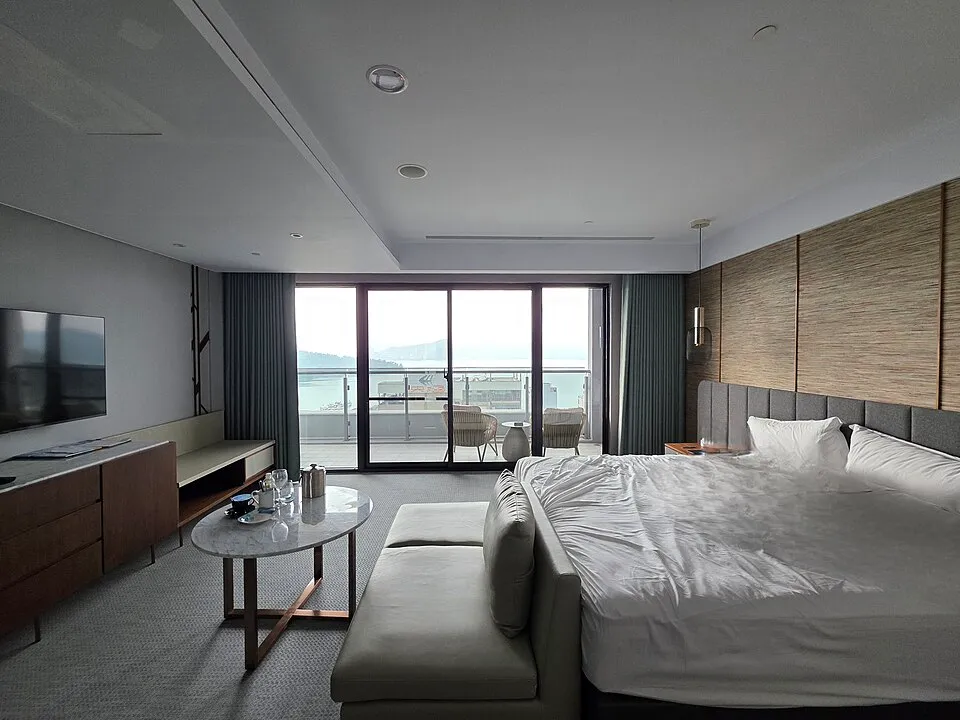

This article is sponsored by R Nite Star Hotel & Lounge. Partner content policy
In this article
One person may book several extended-stay rooms in Arlington for a repair team, a relative's temporary move or another group arriving on different dates. A property can quote available rooms and confirm its policies when it knows who will be staying, when each person will arrive and how each room will be paid for. Keep those details in a simple room list and give participants a confirmation they can use when they travel. At R Nite Star Hotel & Lounge, begin with the posted extended-stay information and ask the property to explain which terms apply to the actual dates and guests in your request.
Turn the group request into actual room dates
Before asking for availability, collect the earliest arrival and expected departure for each occupant or authorized booking contact. Mark dates that are fixed and dates the group may need to move. One person could be arriving Sunday evening, another Wednesday morning and a third the following week. A project team may broadly expect to be in Arlington for a month when only one member actually needs a room for the full time. Better dates let the property tell you which room arrangements it can offer and what information it needs in order to hold or confirm them.
Use a room reference to keep the list manageable until the hotel creates its own confirmation details. Leave room to record how many guests are expected, the name the booking will use and any specific needs they have authorized you to share. Ask about the daily window for arrivals and departures that applies to your booking. Travelers who arrive before a room is ready may need somewhere to wait, while people arriving late may need to contact the desk in advance. Arrange those details through the property. Give travelers the hotel's confirmed instructions as part of their individual reservation notes.
Ask about the rooms and terms available for the group
The R Nite Star extended-stay hotel page describes longer stays at the Arlington property, including weekly and monthly options. Its hotel FAQ covers questions travelers may bring to the front desk. Ask which rates and room types are available for your travel dates and how the property handles a group with mixed lengths of stay. If the organizer expects to reserve a particular room setup, request confirmation of that choice before participants rely on it. Ask about any limit on the number of people who may occupy each room and what happens if guest names later need to change.
Describe the uses that will affect the stay. A team might expect to take work calls during the afternoon or bring clothes for several weeks. Someone staying temporarily while their home is being worked on may be looking for laundry options or room features that fit daily routines. Verify the particular arrangements the room offers. If anyone needs information about accessible features, ask the property for details for the room they intend to book. Give the guest an opportunity to speak directly with the property if that is how they prefer to discuss their needs.
Establish who is paying and who can change a booking
One group may pay through a single organization while another expects each person to settle their own room charges. Some arrangements divide lodging and other charges by participant. Ask the property what authorization and payment information it needs in each scenario and when. The person who placed the reservation may be different from the authorized payer or the guest arriving with identification. Put those responsibilities next to the relevant room on the organizer's private list and confirm the details with the parties. Avoid storing a guest's full payment card number in notes or sending it through a shared message.
Agree on which person can add nights, move dates or change names. A field supervisor might be able to request a schedule change, while the company travel coordinator authorizes extra expense and contacts the property. An individual traveler should know whom to contact if a late train changes the arrival time. Ask the hotel what it needs to verify changes and how they will be confirmed. This is especially important if another guest's stay begins as someone else's ends. Arrange an actual replacement reservation where required, and ask for written confirmation before telling the next occupant that it is ready for them.
Compare complete written quotes on the same basis
A rate expressed by the week can look easy to compare with an ordinary nightly price. Ask for the actual amount for each room and stay period and identify mandatory charges, taxes, any deposit and their timing. The Federal Trade Commission's FAQ about its rule on unfair or deceptive fees discusses how the rule treats display of prices and fees in covered short-term lodging. The circumstances of a longer group arrangement may differ. Ask the hotel for the written amount and terms that apply to the exact reservation and approved dates before confirming a group expense.
Visit the Texas Comptroller's hotel occupancy tax FAQ for general information about the state's hotel tax and the conditions it discusses for longer stays. Ask the property how it handles charges for the booking and what documentation it would require for a question about a qualifying stay. Where separate travelers have different dates, an organizer should confirm the particulars of each booking with the property or a qualified tax contact. Record who gave the answer and which reservation it covered. An extension or early departure can create a new question that needs separate confirmation.
Make a plan for staggered arrivals and schedule changes
Give each guest the property name, approved arrival instructions, current dates and the reservation information they can use at check-in. Let them know what the payer arranged and where they should ask about any other charges. A work team may have somebody arriving at the end of a long drive while its organizer is unavailable. Provide the property contact and an approved backup at the company or within the family. Leave the hotel to confirm its check-in documents and any instructions related to access. Avoid sharing the entire room list or the details of someone else's trip with every traveler.
When a schedule moves, update one record first and use it as the basis for the call to the property. Say what changed, what option you are requesting and when you need a decision to be able to plan travel. A crew expecting more work might need two additional nights for one room. The property can confirm whether there is availability and quote its terms. If the initial request is still pending, make that clear to the traveler before they change transportation or assume their room remains reserved. Once a change is confirmed, relay the revised dates and retain the earlier correspondence for the payer's records.
Check billing and day-to-day support before arrival
Ask the property to explain what happens if the group needs an itemized folio by guest, a report of paid nights or separate receipts. A company may need the documents in a particular format for reimbursement. Clarify what the hotel can provide and to whom. If a participant pays for something separately, find out where that charge will appear. Give the authorized billing contact the names or references needed to match those records when a guest leaves. A complete rooming list supports both arrival logistics and a final comparison against the amounts initially approved.
Ask travelers whom they will contact for ordinary requests during the stay. Some people in a group may have never used extended-stay lodging. They could want to know how housekeeping works, when to ask the desk about parcels or whether the hotel has a process to report a maintenance question. Ask the property for the current details related to the room, booking and dates. Share only the necessary information about colleagues or relatives. For long visits, one periodic contact from the organizer can be enough to discover an approaching departure question or a room that needs a requested extension.
Reconcile each booked room before the first traveler leaves
Compare the latest confirmation against the working list. Check the arrival and departure dates, authorized occupant, payment arrangement and the deadline to change the booking. Send each traveler just their own details and the common property information. If two people are sharing a room, agree on who communicates schedule changes. If the group arrives at different times, give the earliest traveler a number to call when they reach Arlington and make sure there is someone available to resolve any remaining question about their booking. Give a backup organizer the records they are authorized to use in case the primary contact is traveling too. A plan can specify which request the backup may handle immediately and which decision needs to wait for the payer or an occupant to approve it.
As the first guest approaches departure, check the end date and who will receive the record of charges. Confirm any extension separately and share changes when the property acknowledges them. Keep information about upcoming arrivals confined to the people coordinating the stay. The organizer should be able to look at the reservation records and see which arrangements are firm, which travelers have received their instructions, and who is handling the questions still waiting on a reply. Save the final statement with the corresponding room confirmation so the payer can check the dates after the trip. See additional trip and event planning articles in partner guides.
Visit R Nite Star Hotel & Lounge.
Sources
- R Nite Star extended-stay hotel pagernitestar.com
- hotel FAQrnitestar.com
- Federal Trade Commission's FAQ about its rule on unfair or deceptive feesftc.gov
- Texas Comptroller's hotel occupancy tax FAQcomptroller.texas.gov