Coordinating Parking for Home Physical Therapy Appointments
To ensure a smooth home physical therapy appointment, it's important to plan parking arrangements to avoid mix-ups and ensure timely access to the treatment space.

This article is sponsored by Osteopractic Physical Therapy. Partner content policy
In this article
A parking instruction that works for a dinner guest may leave a visiting physical therapist unsure where to stop, which building to enter or whom to call when a gate is closed. An appointment can lose time before the patient and clinician meet. Give the practice a confirmed parking option, the route from it to the correct door and an authorized contact who can check details before the car arrives.
Ask the property what visitors are allowed to use and tell the clinic which options are available for that appointment. Keep the patient’s needs and privacy in view. If parking or access changes, let the practice decide whether its personnel and equipment can still reach the agreed visit location.
Identify the visitor parking option the property actually offers
Ask the property manager, household or other authorized person where a visitor can park on the day of the appointment. Verify hours, any registration or permit requirement and how someone identifies the correct area. If a reserved space is involved, ask who may use it and what approval is needed. Record the person responsible for answering a question if the original arrangement is unavailable.
Look at the route from the parking area to the home. A lot could sit near the street address but enter through another gate. An apartment complex may use building numbers in addition to the street number. Tell the practice which door and route it expects to use. Avoid giving an access credential through a channel the property or clinic has not approved.
The City of Carrollton’s common violations page includes information about certain parking issues. Follow current signs and the applicable city and property instructions. When considering street or other public parking, check what applies to the actual location. The building’s visitor process may have its own requirements for private parking.
Tell the clinic what needs to work after parking
Osteopractic Physical Therapy’s mobile physical therapy page describes visits at homes and other approved settings in the Dallas area. Confirm whether the practice can see the patient at the particular address. Tell it the expected parking arrangement and ask what arrival information the clinician needs. If a drop-off or another approach would be helpful, check who can confirm it at the property.
Ask the practice whether equipment or other visit needs affect where the clinician should park. Give the clinic accurate information about the distance and any doors or lifts along the route. Let the clinician determine which arrangements work for the visit. If a property has several buildings, identify what the visitor will see just before the correct entrance.
The American Physical Therapy Association’s guide to preparing for a visit discusses preparing questions and information, including circumstances at home or work. Logistical preparation may also include telling the practice who can be reached about parking. Ask which details to provide before the visit and how to check whether the office received them.
Assign an arrival contact and protect the patient’s information
Ask the patient whether they want to handle the arrival call or have an authorized person help. Give the practice the relevant contact through its approved process. A property employee may have authority to explain guest parking but need no information about the reason for the visit. Tell the practice whom to contact about the appointment itself.
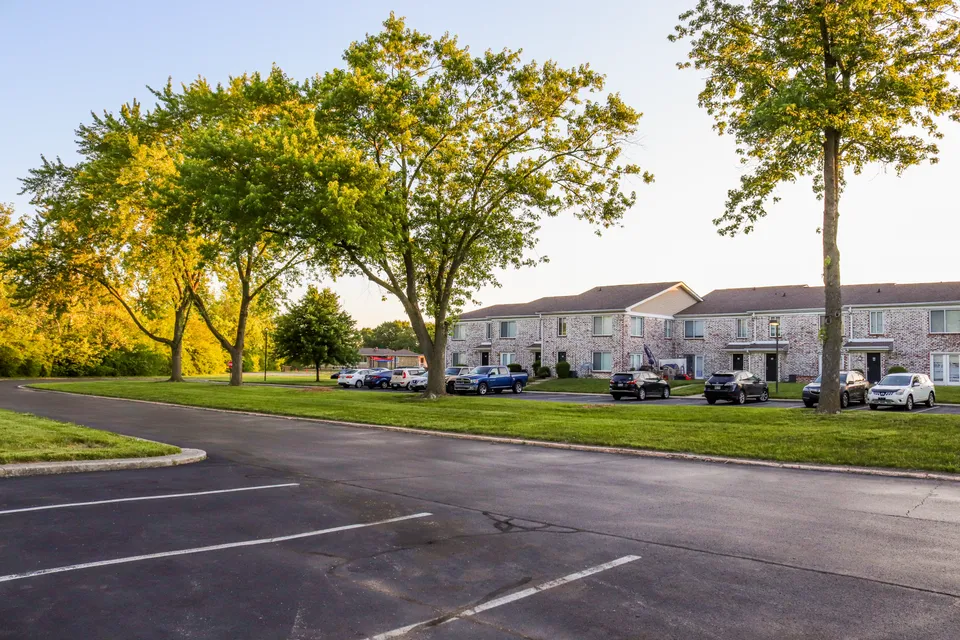
For example, a patient could live in a row of buildings with visitor parking near a leasing office. The building contact may confirm the parking and entrance instructions. A person at home may handle the door after the clinician checks in. Give the practice the name of each contact and what each one can verify. Tell the front desk when it expects a visitor if the building requires advance notice and the patient agrees.
Keep private information with the patient and practice. HHS guidance on family members and friends describes when providers may share relevant information with people involved in care or payment. Ask the clinic how to indicate what the patient wants to share with the person providing practical help. Keep building directions and clinical instructions in their appropriate channels.
Make a workable fallback if the space is unavailable
Ask the property what should happen if permitted visitor spaces are full or temporarily inaccessible. If it offers another lot, check how the clinician will reach the correct door from there. Verify who can direct a visitor on arrival. Give the practice a chance to confirm the arrangement instead of asking the clinician to solve it at the start of the visit.
If the building expects construction, trash collection or another regular service that affects the parking area, note when it is likely to occur. Ask whether that changes the approved option. Verify whether a delivery window or a gate rule would affect the planned visit. Let the practice decide what to do if it cannot reach the agreed setting at that time.
Consider the person already waiting at home. They might receive a call from the practice while the clinician is still outside the property. Give them the name of the building contact and ask whom they should call first. Have a backup person available if the patient needs help to manage a possible appointment change.
Check the plan at the time people will use it
Ask someone to confirm the route during the expected arrival window. A parking area may be open at midday and have tighter restrictions in the evening. A reception desk might close before the scheduled visit. Check that someone can provide the approved information at the time the clinician will use it. Ask the office when it needs to know about any difference.
Read the message as if you are unfamiliar with the address. Does it identify which road or driveway the visitor should approach from? Does it give a name or number for finding the correct building? If the published address and the parking approach are different, provide both through the practice’s preferred method. Ask the clinic to use the current directions in its appointment record.
If the clinician will return on another day, ask whether the parking rules are the same at the new time. Reserve the relevant area through the approved process if needed and confirm any visitor details the property requires. Give the patient or authorized helper a dated way to check what was arranged before the clinician leaves for the next appointment.
Update the directions after access is confirmed
Consider whether the property asks visitors to record a license plate or other vehicle information. Tell the practice what the official procedure requires and whether the designated building contact can arrange it in advance. The practice can explain which employee information it is willing and authorized to share. Confirm where someone should go if the vehicle arriving differs from the one originally expected.
Give the property the timing and details needed to arrange parking without asking it to handle care concerns. If the property supplies a confirmation, tell the clinician where to find the relevant reference. Ask whom to call if the sign-in point is staffed by someone who was not part of the original conversation. A brief note can help the patient keep the expected appointment separate from the parking registration.
For a household with more than one entrance, check whether the arrival contact will be able to meet the clinician at the agreed door. The nearest route to the parking space may be different from the one the household uses. Ask what would happen if a guest approaches from another direction. Give the clinician the correct information before assuming they will recognize the property.
If parking cannot be verified until the day of the appointment, set a time for one person to check. Give the practice the confirmed option after that check and ask it what it expects if the parking arrangement has to move. Have the patient and any helper use the same instructions, including a current number they can reach during the visit.
Ask whether the expected visitor route changes if another vehicle uses the loading space.
Ask the practice and patient how the arrival worked. A person may have found the lot but needed another set of directions at the building. Ask who can confirm the missing detail and update the record before it is used again. If a special arrangement was for one day only, mark when it ends.
Keep the directions where the patient can find them if another appointment is made. If a different person is helping, give them the contact and information they need for the role. If the patient’s question concerns whether a visit remains practical, ask the clinic to assess any change. Record who will give the final answer and when the household should expect it.
If the property normally designates parking by an identifier, verify whether it appears on the posted sign or is something staff use internally. Help the clinician locate the spot with a practical reference. Confirm how the property will direct visitors if it moves the space to another part of the lot during building work.
Our partner guides cover other North Texas care arrangements. Confirm a permitted parking option and the route to the home, then give the practice an appropriate contact. Update the directions whenever the building’s conditions or the appointment time make a difference.
Visit Osteopractic Physical Therapy.
Sources
- City of Carrollton’s common violations pagecityofcarrollton.com
- Osteopractic Physical Therapy’s mobile physical therapy pageosteopractictherapy.com
- American Physical Therapy Association’s guide to preparing for a visitchoosept.com
- HHS guidance on family members and friendshhs.gov