Deciding Which Hail Repair Questions Belong with Insurer or Shop
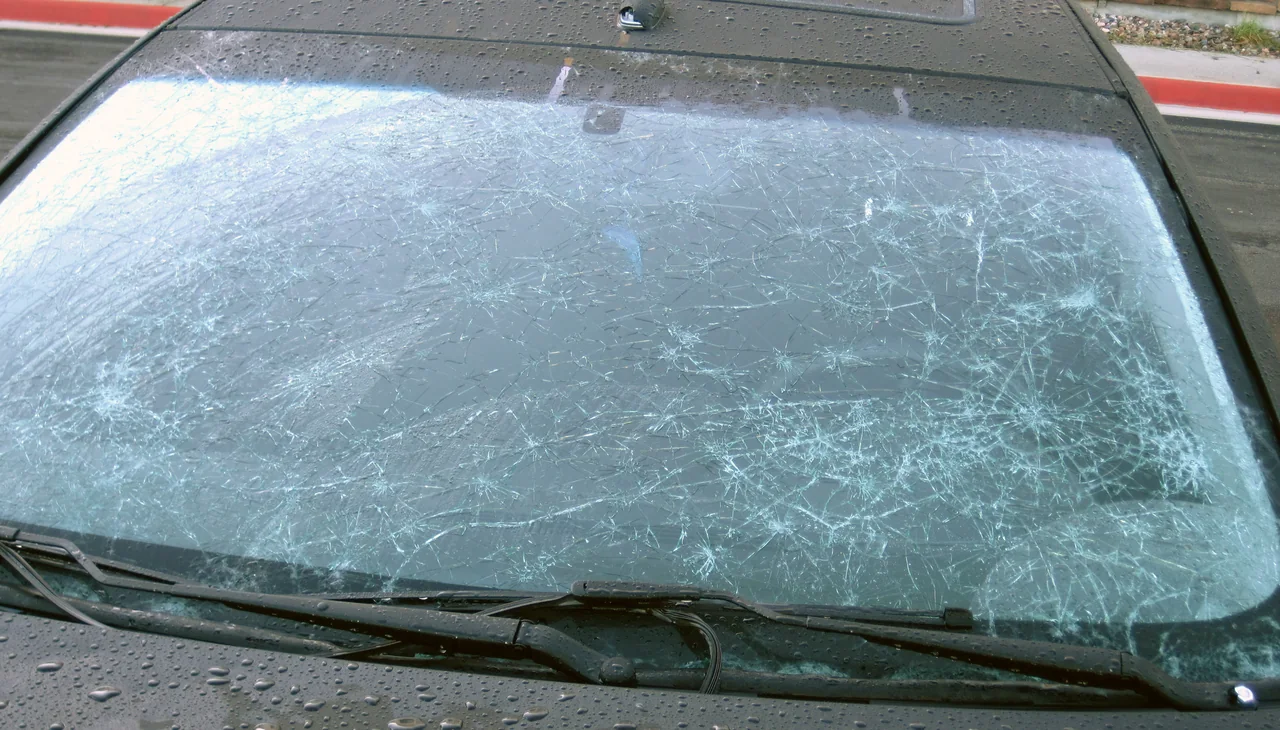
Imagine you've just experienced a hailstorm, leaving your vehicle with noticeable dents and damage.

This article is sponsored by DentPicks. Partner content policy
In this article
A Carrollton driver arranging hail repair may hear from an insurer about the claim and a shop about what it sees on the vehicle. The same dent can come up in both conversations for different reasons. Ask the repair facility how it evaluated the part and what work it proposes. Ask the insurer what it needs to review and which claim decisions it has actually made.
Begin with the latest document from each party. Identify the date, vehicle and part of the process each one describes. Then write the questions you want resolved and decide which contact is in a position to answer them. Keep the answer next to the estimate or claim reference that prompted it.
Ask the insurer how the claim will be reviewed
Give the insurer the facts you can confirm about the storm, damage and vehicle. Ask what records it wants, where to send them and who is assigned to review the claim. The person handling the claim can explain the applicable coverage, deductible and the stage the claim has reached. Write down the decisions communicated through the approved process and ask how you will receive them in writing.
The Texas Department of Insurance’s hail guidance discusses documenting damage and communicating with the insurer after a storm. Its claim steps explain how an adjuster can review damage and provide an estimate. Ask which process the insurer is using on your claim and what it needs before the next update.
If you need temporary transportation, ask the insurer how the policy or claim arrangement applies. Give it the actual time the shop expects to need the vehicle and identify whether that time is an estimate. The shop can report its schedule. The insurer or other organization responsible for a rental can explain what it will arrange or cover.
Ask the shop where the damage is and what work it proposes
Ask the person inspecting the car to point out the affected areas and how they appear on the written estimate. A shop can describe the current condition of the panel, finish and nearby parts. It can also say which work it plans to perform, what needs another inspection and whether it expects another provider to handle something separately.
DentPicks’ hail repair guide describes stages from assessment through completion. Use the stages to ask what has already occurred and when the shop expects any remaining review. If an item looks different in person from the first photo, ask which part of the estimate the new observation affects.
For example, you may see three marks on the edge of a hood and be unable to find their description in an estimate. Ask the technician to show whether they are included in that line or if it has not yet assessed them. If the shop identifies a different area, have it explain how that finding relates to the work it recommends. Keep the parts and dates clear in your notes.
Follow a revised estimate as it moves between the two parties
If the repair facility finds additional work, ask whether it is preparing a revised estimate or requesting a separate inspection. Get the written change and a description of the area. Ask the shop whether it has provided the material to the insurer and when it expects the next update. The Texas Department of Insurance’s auto insurance guide describes discussing a revised estimate with the adjuster if damage turns out to be more extensive.
If the insurer says it has received the revision, ask what that means for the claim and when it expects a decision. An acknowledgment establishes that the file reached the reviewer. The shop may still be waiting for another instruction or authorization. Keep the messages and the current estimate together so you can tell whether both parties are referring to the same version.
When the shop and insurer describe an item differently, write down each reference and ask the appropriate party to locate the issue. An adjuster can explain why the claim paperwork includes a particular description and the shop can explain its own work. Get written clarification if a difference affects a decision about which work will proceed.
Confirm what the owner is being asked to authorize
Ask the shop which approval it needs and where it will record it. The Texas Attorney General’s car repair tips discuss authorization for inspection and repair as well as additional work. The Texas Department of Insurance’s consumer rights overview discusses choosing a repair shop. Ask each business how its process applies to the decisions you are making.
If the insurer and shop both request a response, make sure the authorized person understands each one. The insurer may ask for a record while the shop needs consent for a specific operation. Give the businesses a contact who can respond and a time when the person is available. Keep track of which decision has been made and what is still pending.
When another driver will take part, identify whom the shop or insurer can contact. A person arranging pickup might need only the location and time, while someone else handles repair approval or claim information. Ask both parties how they verify the people they can share information with. Give the driver reviewing the work the current written scope that applies to their role.
Keep questions about completion and payment on separate dates
Ask the shop when it expects work to be complete and what will make the vehicle available for pickup. A repair can be done while a document or other confirmation remains outstanding. Ask the insurer which decisions it has made and who can explain an amount or payment question. Keep both dates visible if they affect transportation or the timing of collection.
If something has moved, ask what actually happened. The shop can report a newly observed condition or a delay affecting work. The insurer can say whether it is waiting on supporting information. A practical follow-up note describes the issue and identifies the person who will give the next answer, so the drivers can change their plans at the right time.
Identify who can resolve an apparent disagreement about the scope
Ask both parties what documents they have in front of them. The shop may be talking about a finding made after the first estimate. The insurer may be referring to the estimate its adjuster prepared earlier. Write down the relevant dates and ask whether both have seen the same revision. If something has been received but not yet reviewed, record who owns the review and when the team expects another update.
If two people still disagree after confirming the version, ask what part of the issue each one can explain. The technician can show the condition it observed and why its proposed work addresses that area. The insurer can explain the response to the written estimate and its own claim process. Ask which photographs or inspection findings would help the person responsible for the next decision consider it.
The Texas Department of Insurance’s auto insurance help page describes the kinds of issues the agency can review. If there is an unresolved concern about an insurer’s response, save the written documents and ask the appropriate contact to explain the next available review step. Keep a separate note if there is a question about how the work was performed, which belongs with the repair facility or another qualified reviewer.
Write the questions down so another driver can pick up the call
Prepare a short list of open questions before the next conversation. Put the source and recipient next to each question. A driver speaking to a shop may need to understand when another section of the car will be examined. Someone contacting the insurer may need to confirm receipt of a particular estimate version that includes it. Give the person making the call the exact reference and result you want them to record.
For a shared car, tell the other driver which updates are relevant to transportation and how to obtain them. If a different driver will collect the car, make sure the shop confirms the release arrangements and gives that driver any specific instructions. A person scheduling another ride should know when the shop expects to confirm pickup, who can verify the details and whether another party handles a temporary vehicle.
After a call, mark which facts were confirmed and link them to the appropriate record. Note any decision that still has to reach the other party. If someone contacted both the shop and insurer, make it clear which person supplied each answer and when that conversation took place. Ask when the contact expects a written update if an important decision was only given verbally. Put that timing beside the estimate version and the name of the person who confirmed it.
Leave the appointment with both parts of the record
At pickup, ask the shop to review the affected areas and explain which work appears in the final documents. Retain the original estimates, relevant insurance correspondence and invoice with their dates. If a charge or claim issue still needs an answer, use the appropriate contact and the written reference that identifies it. Save any separate repair instruction the shop provides.
Our partner guides cover related North Texas car repair topics. Ask the shop about what it found and intends to do, and ask the insurer about the claim and coverage decisions. Connect both to the date and current version of the estimate before relying on an oral update.
Visit DentPicks.
Sources
- Texas Department of Insurance’s hail guidancetdi.texas.gov
- claim stepstdi.texas.gov
- DentPicks’ hail repair guidedent-picks.com
- Texas Department of Insurance’s auto insurance guidetdi.texas.gov
- Texas Attorney General’s car repair tipstexasattorneygeneral.gov
- Texas Department of Insurance’s consumer rights overviewtdi.texas.gov
- Texas Department of Insurance’s auto insurance help pagetdi.texas.gov