Make a useful repair brief for a worn car dashboard
Use the material, affected area and any safety concerns to ask the right specialist what kind of assessment you need.

This article is sponsored by Leather Repair Dallas. Partner content policy
In this article
A shop can do much more with “a raised edge above the glove compartment, first noticed last month” than with “the dash is worn.” A dashboard includes several surfaces, seams and openings. Some are close to safety equipment or affect what a driver can see. Before asking for a repair assessment, identify the affected area, describe what changed and say whether you have observed a warning or a problem using any relevant part of the vehicle. Let the appropriate professional determine which assessment is needed.
This guide is sponsored by Leather Repair Dallas, which describes dashboard repair services for conditions including cracks, warping and sun damage. A repair inquiry can give the provider the information required for its part of the work. Use your vehicle owner's manual and the direction of a qualified vehicle service professional for any concern involving an airbag, warning indicator, visibility or normal operation.
Make the dashboard location easy to recognize
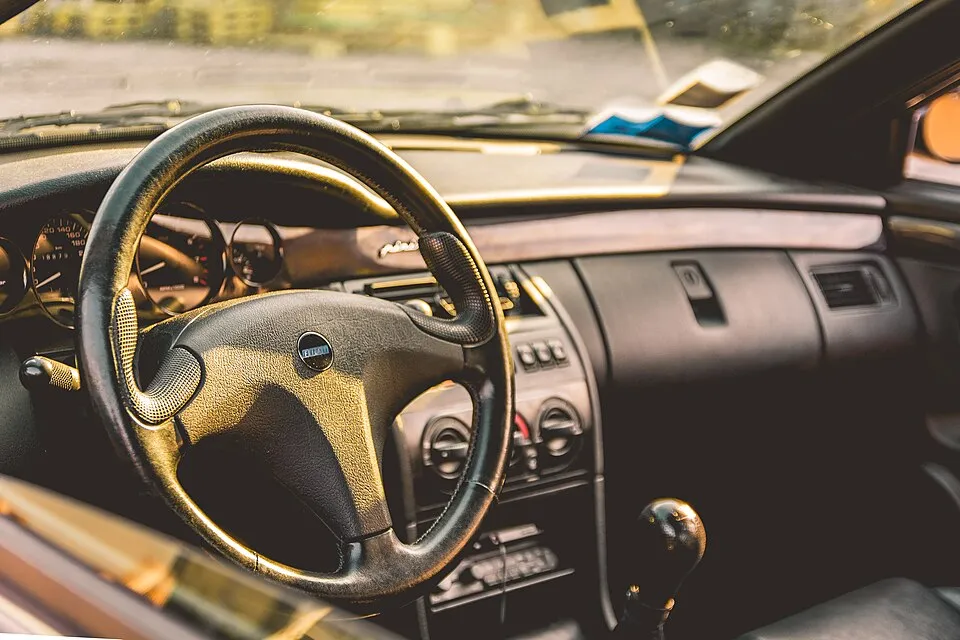
Name the region from the normal position of a driver or passenger. A strip along the base of the windshield is distinct from a trim section beside a vent. A whole dashboard image can show the steering wheel, center area or a relevant passenger side reference. Point out which seat you were nearest when you took a close view if the perspective might be confusing. A provider reading a message without the car nearby needs to see how the detail belongs to the rest of the interior.
If an issue spans two areas, identify each one by reference and put a short sentence beside its pictures. The upper panel might show a change in shape and a neighboring surface might have a change in color. A wide picture of both can be helpful when the places touch. Use a closer photo to show each region under the same ordinary conditions. Keep distinct names for the symptoms so a provider can tell which question you want answered first. Two marks can be worth comparing even if their causes remain unknown.
If the same panel is visible through the windshield and from inside, make clear which view you are using. A reflection or tinted glass can obscure the area. Include an interior orientation photograph when it is practical, and mention which angle made the location easiest to recognize.
Give the material name only to the extent you can verify it
Dashboard surfaces can have different finishes even in one vehicle. If you have the maker's description or documentation for a previous replacement, note the name it gives the material and part. A trim package may tell a shop where to look for further information. A seller's general description, such as a listing that calls the interior leather, may tell you less about the exact surface that needs attention. Give that wording and the source rather than making it an identification on your own.
Mention any previous work you can confirm, including whether it concerns the same part of the dashboard. A record may name a particular panel even when you cannot tell which one it meant. Keep a photograph beside the record and ask the technician to determine what additional identification would help. If you have no documentation, say which details are unknown. A truthful narrow description such as “top center panel looks different from the area by the air vent” can still point a technician to the right area during an initial conversation.
Describe what changed and when somebody saw it
Write what you can see in normal light. The finish might be dull in one place, a seam might appear wider than before or a corner could look raised. Identify where the condition starts and how far it is visible. Keep observations about texture, shape and color in separate sentences if they have changed in different areas. Do not lift, press, pull or otherwise disturb a surface for a clearer image. Record what you can observe while the vehicle is safely parked and ask what must be inspected by the appropriate professional.
If you know approximately when somebody first noticed it, record that day or period. Add any confirmed previous work, treatment or relevant event. A person may remember that a dashboard cover was used or that the vehicle stayed in a different location for part of the year. Describe that as context, not as proof of what caused a mark. If different people remember different dates, say which person saw what and keep their observations available. The provider can then decide what questions matter to the material or to the assessment.
Identify a safety concern and ask about it separately
Airbag equipment and indicators need attention from people qualified to evaluate them. The National Highway Traffic Safety Administration's airbags resource discusses the purpose of airbags and directs people to consult the owner's manual for relevant indicator questions. Look at the instructions for the vehicle you actually own. Tell the appropriate professional if the area you are describing is near a labeled airbag location, or if you observed a warning indicator or problem involving visibility or normal controls.
A provider specializing in surface appearance can explain what it assesses and when a separate vehicle specialist should review the concern first. Keep the material question and any safety question independent when recording them. For example, tell the provider where you see the new change and mention the separate time at which the warning appeared. Ask the relevant qualified professional what to do before anyone changes the panel or tries to cover it. A photo is useful for reporting a place on the dashboard. It does not establish whether a vehicle's safety equipment is working or what parts are involved.
Take photos that show context without creating a new condition
Make one image that gives a full orientation and another where the affected surface is easily recognized. If a close photograph is necessary, include the nearest relevant line or opening so a reviewer can tell how to locate it. Bright reflected light can obscure a small change or make its edge appear in a different place. A second view in ordinary indirect light can show more of what you actually see. Note which view most closely resembles the appearance you have observed.
You can add arrows or a neutral caption to a copy while keeping the complete original. This can help when a dashboard has a group of adjacent seams and you have one line in mind. Do not make exposure adjustments that misrepresent the color of the finish. Remove private belongings or papers from the picture where practical. If a provider asks for vehicle identification, ask how it accepts that information. The initial photos and notes generally need to communicate the relevant surface and the question you are asking about it.
Ask for an assessment that addresses the observed issue
Send a short request with the make, model and year, the part of the dashboard that concerns you and your available before and current pictures if you have them. Tell the provider what you want to discuss, such as whether it can assess the surface finish or whether a feature adjacent to the mark needs a different specialist. Confirm whether more information is necessary before the provider can describe a next action. If you have also been told to ask a manufacturer or qualified vehicle technician about another concern, keep that direction in the same working note.
A first inquiry might read, “The area above the glove compartment has an edge that looks raised in ordinary light. Photos one and two show the part of the dashboard and a closer view. We do not yet have a confirmed material description. Can you explain what you can assess and what extra information is needed?” Replace any detail in the example with your own observation. An honest request can remain useful even if the technician later uses different names for the panel or finds another region that should be considered first.
Confirm which part of the request your next contact handles
When you get a response, note which area it addresses by pointing back to the photographs. Ask what the provider can assess from the information and what it needs to inspect in person. Keep a separate outstanding item for anything involving a safety or function question. If a different specialist will review it, give them the factual description without claiming that a surface provider has made a diagnosis unless you have explicit information to that effect. Have the qualified provider explain how to proceed under the applicable instructions.
A useful final note says what was visible, which person or shop will look at it and which question they will answer. Add the date if you prepare another photo before a visit, and avoid sending an earlier picture as if it shows the most recent condition. If somebody else will take the vehicle to an agreed appointment, show them the same photo and let them point to the surface without attempting a demonstration. Find more vehicle service topics in the Carrollton Tribune partner guides.
If a mark first appeared after earlier service, look up the work order and confirm which part it covers before assuming the two are linked. Send it separately to the person who can interpret that history. Its description may support a useful follow-up even if it does not use the same part name you used on your photo. Ask the shop to confirm the location by reference to that photo.
Visit Leather Repair Dallas.
Sources
- dashboard repair servicesleatherrepairdallas.com
- airbags resourcenhtsa.gov